After School Programs
Overview
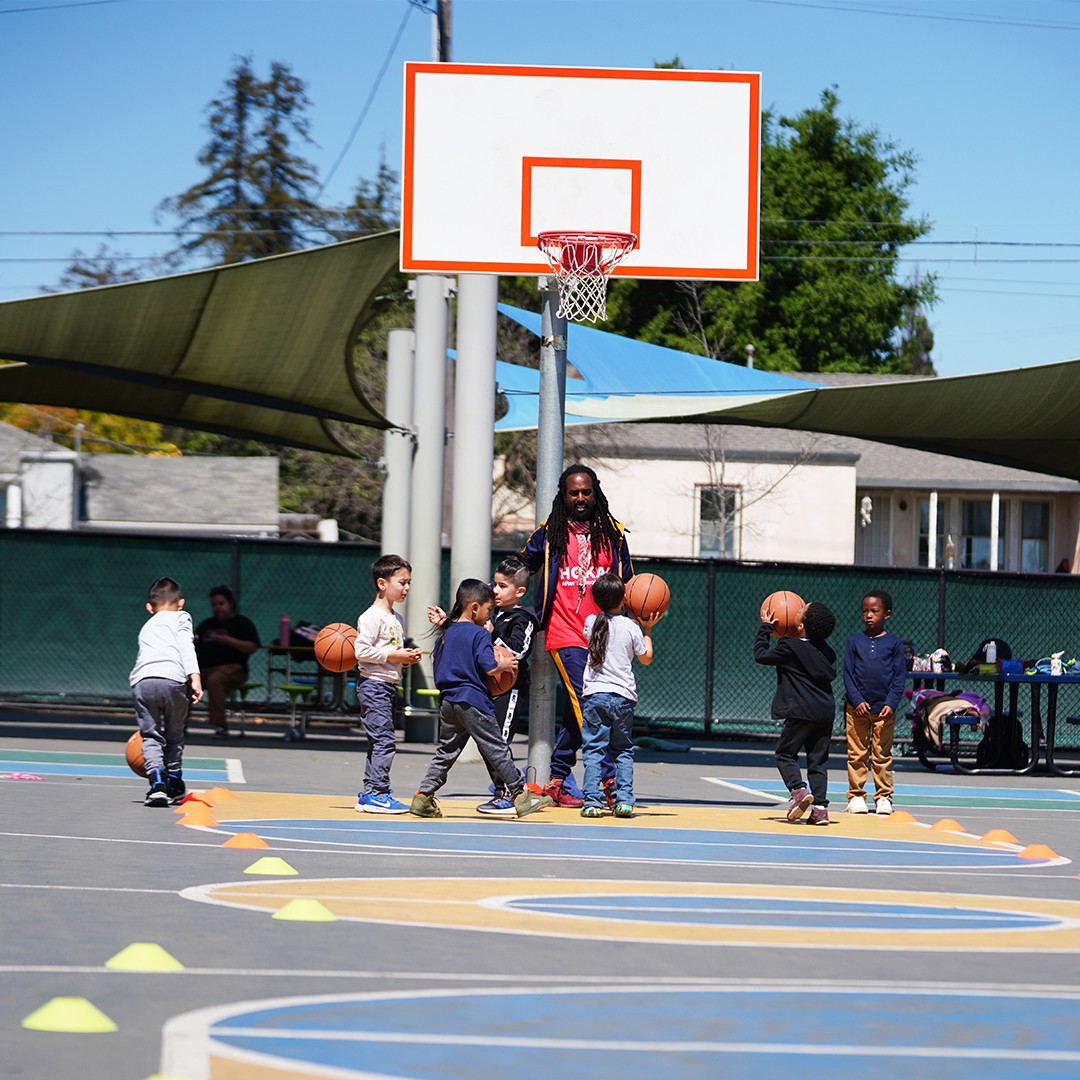
After-school programs are a critical extension of the school day, offering students structured opportunities to learn, explore interests, and build essential social and emotional skills. When designed and delivered well, they create meaningful impact for students and give families confidence that their children are supported beyond the classroom.
Yet, program quality alone does not guarantee strong participation. Many after-school initiatives face enrollment challenges driven by limited visibility, unclear value communication, and enrollment processes that create friction for families. Strengthening enrollment requires a strategic approach, one that aligns schools, educators, and families around a clear value proposition and removes barriers that prevent students from accessing high-quality enrichment opportunities.
Common Barriers to After-school Enrollment
Low awareness or visibility: Families may not know what programs exist or understand how they differ from basic childcare.
Unclear value proposition: Without a clear narrative around outcomes, enrichment benefits, and student growth, programs fail to stand out.
Operational friction: Complicated registration processes, fragmented communication, or unclear timelines often lead to drop-off.
Limited family engagement: When families feel disconnected from the program experience, enrollment and retention suffer.
Strategic Approaches to Boost Enrollment
1. Clarify and Communicate Program Value
Families enroll when they clearly understand what their child will gain and why the program adds value beyond the school day. Clear, consistent messaging that highlights learning outcomes, student development, and trust helps turn interest into enrollment.
2. Reduce Friction Across the Enrollment Journey
Even interested families may drop out if enrollment feels complex or time-consuming. Simple registration flows, clear communication, and timely reminders make it easier for families to follow through and build confidence from the start.
3. Build Ongoing Family Engagement
Enrollment grows when families feel connected beyond the initial sign-up. Regular communication, opportunities to experience the program firsthand, and meaningful feedback channels strengthen trust and long-term participation.
4. Leverage School and Community Partnerships
Programs embedded within schools benefit from existing trust and visibility. Alignment with school goals and collaboration with community organizations position after-school programs as a natural extension of the learning day.
5. Use Data to Refine Enrollment Efforts
Sustainable enrollment depends on understanding what drives participation and where families disengage. Tracking trends, drop-off points, and referral channels enables programs to continuously improve outreach and enrollment outcomes.

How HOKALI Supports Strategic Enrollment
Our enrollment strategy is built into how we design, operate, and scale after-school programs.
Partnering directly with schools and districts to align programs with community needs.
Hosting programs onsite to eliminate transportation barriers.
Using our platform to centralize communication, scheduling, and enrollment workflows, while leveraging data to continuously improve programs and enrollment outcomes.
Supporting educators through HOKALI Academy to ensure consistent, high-quality experiences that families trust.
Engaging directly with families and school partners to gather feedback, address questions, and strengthen the overall enrollment experience
Conclusion
Strong enrollment does not happen by chance. It is the result of intentional strategy, clear communication, and meaningful engagement with families and school partners.
When after-school programs prioritize enrollment as a core component of program design, they unlock greater impact for students, stability for families, and long-term sustainability for communities.
We are committed to building stronger after-school ecosystems where enrollment supports opportunity, equity, and growth beyond the classroom.