After School Programs
Overview
Emotional safety is not a bonus, it’s essential. Across enrichment and after-school programs, students thrive when they feel cared for, respected, and understood. A caring culture is the foundation for meaningful learning and development. That’s the power of Social Emotional Learning (SEL), woven into every moment, it transforms learning into a meaningful, human experience.
At HOKALI, we believe that emotional safety fuels engagement, creativity, and meaningful connection. From dance and STEM to summer camps, every activity is designed to support the whole child socially, emotionally, and intellectually. This paper explores why a caring culture is essential and how emotional well-being is at the heart of our approach to student development
Key Data on the Impact of SEL in the U.S.
+11 percentile point increase in academic performance: Students participating in Social and Emotional Learning (SEL) programs show an average increase of 11 percentile points in academic performance.
Long-term impact: +13 percentile points years later: Years after participating in SEL programs, students continued to perform 13 percentile points higher on average than peers who had not participated
+22% improvement in social and emotional skills: High-quality, evidence-based SEL programs lead to a 22% improvement in students’ social and emotional competencies.
6 in 10 schools in the U.S. implement SEL systematically: Around 60% of U.S. schools report implementing SEL in a planned, structured way across grade levels.
SEL programs have a proven positive impact on academic performance, attendance, and behavior, supported by studies involving over 1 million students worldwide. They also foster emotional well-being, stronger relationships, and a greater sense of safety and belonging in schools.
What Gets in the Way of Emotional Safety
Many traditional expanded learning programs unintentionally create environments that leave students feeling unseen, unheard, or stressed
One-size-fits-all approaches: Programs that don’t adapt to individual needs miss opportunities to connect meaningfully with students.
Lack of adult preparedness: Instructors may be passionate but untrained in SEL, trauma-informed care, or inclusive practices.
Pressure to perform: Overemphasis on outcomes and behavior management can increase anxiety and reduce a sense of belonging.
Why It Matters
Challenge | Impact |
Rigid programming | Reduced engagement and emotional withdrawal |
Limited SEL training | Missed cues and unmet emotional needs |
Performance-first culture | Increased anxiety, reduced risk-taking |
Lack of connection | Disrupted relationships and lower retention |
Students can’t grow if they don’t feel safe. A caring culture is what turns programs into communities and activities into opportunities for growth.
How HOKALI Creates a Caring Culture
We embed SEL into every experience through intentional design, educator support, and student voice.
1. Emotional Safety Through Movement
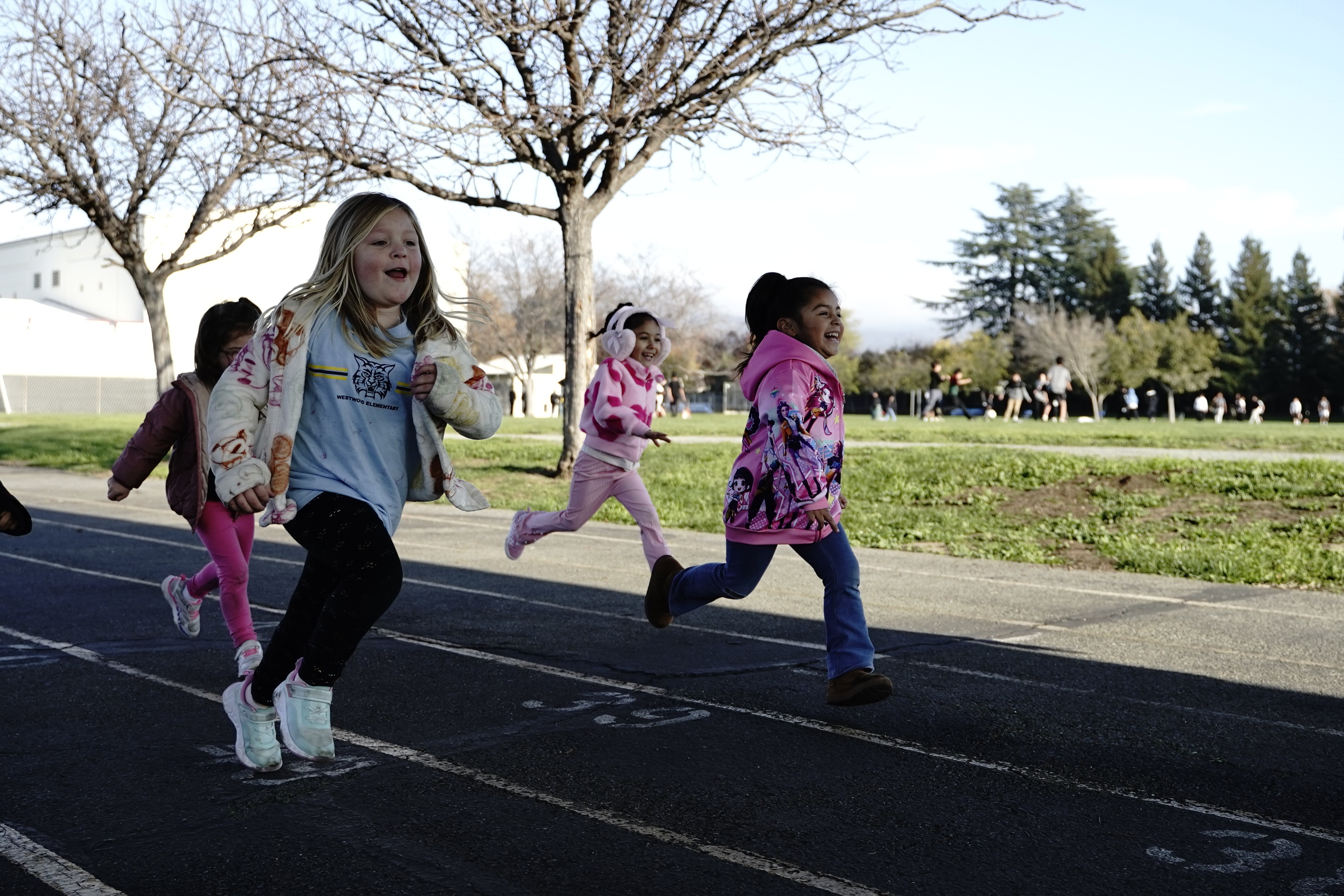
Physical activity is a powerful tool for emotional expression and connection. Instructors use team games, martial arts, and dance not just to teach skills, but to foster trust, collaboration, and empathy. Movement becomes a space where students feel supported, seen, and free to express themselves.
2. Emotional Safety Through Voice
We start every session with student check-ins and build in time for reflection. This consistent invitation to share fosters a sense of agency and belonging. When students know their voice matters, they are more likely to take creative risks and build meaningful relationships.
3. Emotional Safety Through Support
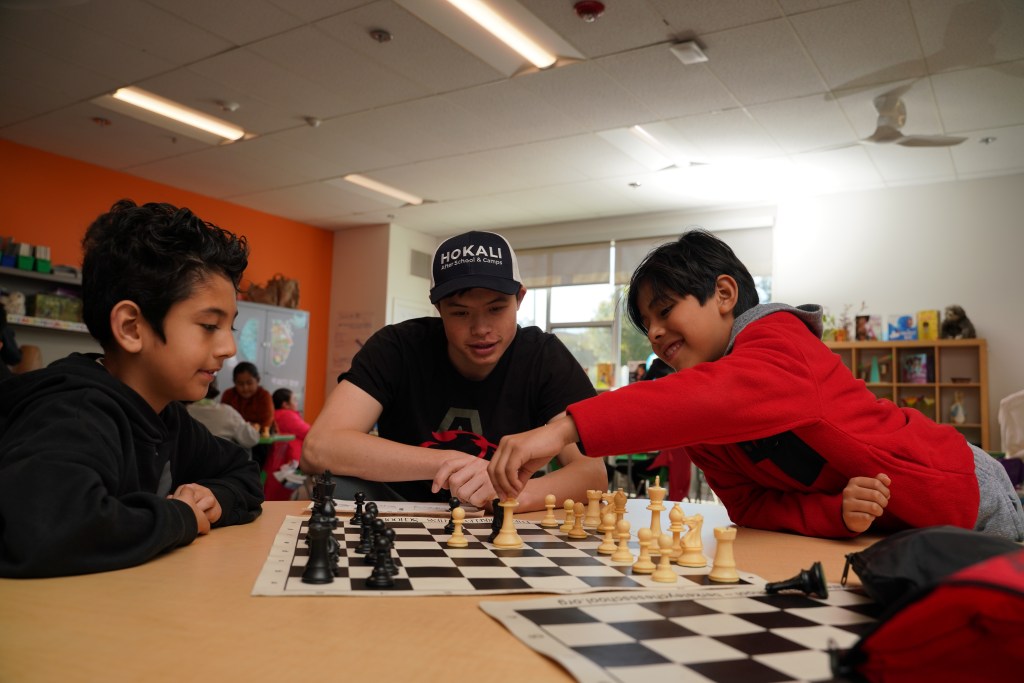
We train our instructors to lead with care. Through our HOKALI Academy, they receive guidance in trauma-informed practices, inclusive facilitation, and proactive behavior strategies. They are not just activity leaders, they’re mentors who model respect, empathy, and consistency.
4. Emotional Safety Through Feedback Loops
We listen and adapt. Parents' and staff feedback is part of every HOKALI program, helping us identify what’s working and what needs to change. This responsiveness shows students that their experiences matter and builds a deeper sense of trust in the program.
Our goal it’s to create spaces where students feel safe enough to be themselves and supported enough to grow. Caring Culture Matters, and we’re proving every day that emotional safety is not only possible, it’s powerful.